





May 28, 2026 | Commercial Bus, Motorcoach, School Bus, Transit

For transportation providers, onboard video systems remain essential for safety, accountability and fleet oversight. But new challenges have emerged that many fleet managers didn’t anticipate: rising solid state drive prices and limited availability of NAND flash memory.
Solid state drives (SSDs) used in mobile DVRs rely on NAND flash components that are now costlier and more difficult to obtain. Research reported by CNBC indicates this isn’t a short-term fluctuation. As a result, fleet operators must reassess their video storage strategy to adapt to the ongoing shortage and to help control costs.
What’s Behind the Shortage?
The underlying cause is simple: demand is surpassing supply.
The rapid expansion of AI-driven data centers and cloud infrastructure demands unprecedented volumes of NAND flash memory, a key component in SSDs. Large technology companies are investing heavily in storage to support their AI and high-performance computing. In response, International Data Corporation notes that memory manufacturers have shifted production for consumer electronics toward memory used in AI data centers. This leaves limited supply available for other industries, including transportation.
How Memory Shortage Impacts Fleet Operations
The impact is twofold.
First, solid state drive prices are climbing. As NAND memory becomes more expensive, so do the storage devices used in mobile video systems.
“While we work to minimize pricing increases wherever possible, REI must remain aligned with current market conditions. Storage costs, in particular, have continued to rise above initial expectations. These challenges are not unique to REI, as they are impacting suppliers and providers across all industries,” notes Riley Hays, REI’s Sales Operations Manager.
Second, procurement timelines are increasing. Lengthy production timelines for memory chips and wafer bonding are further compounding the shortage. When combined with the limited number of memory manufacturers, these factors create significant procurement delays, adding strain to an already tight supply chain.
REI’s component supplier indicates that all NAND flash output for 2026 and 2027 is already committed. Demand is expected to remain high through 2027, according to NAND-Research.com. For fleet operators, this means ongoing pricing pressure and sourcing delays for storage hardware.
How Fleets Can Adapt to Rising SSD Prices
Fleets may realize shortage effects quickly and operationally. Higher solid state drive prices can negatively impact budgets, especially for operations expanding or upgrading their video systems across fleets. Procurement delays can also slow or halt installations, causing gaps in coverage. To help reduce the impact on your operation, consider alternative storage approaches.
Some systems are configured to record and retain full days of continuous video across every vehicle. While this approach is thorough, it creates a significant storage burden. Hours of uneventful footage deplete valuable space and intensify hardware demands. At a time when storage is expensive and constrained, this practice is not cost-effective.
REI offers these two tips to help you reduce storage demands for your operation:
1. Integrate ARMOR™ Software Suite
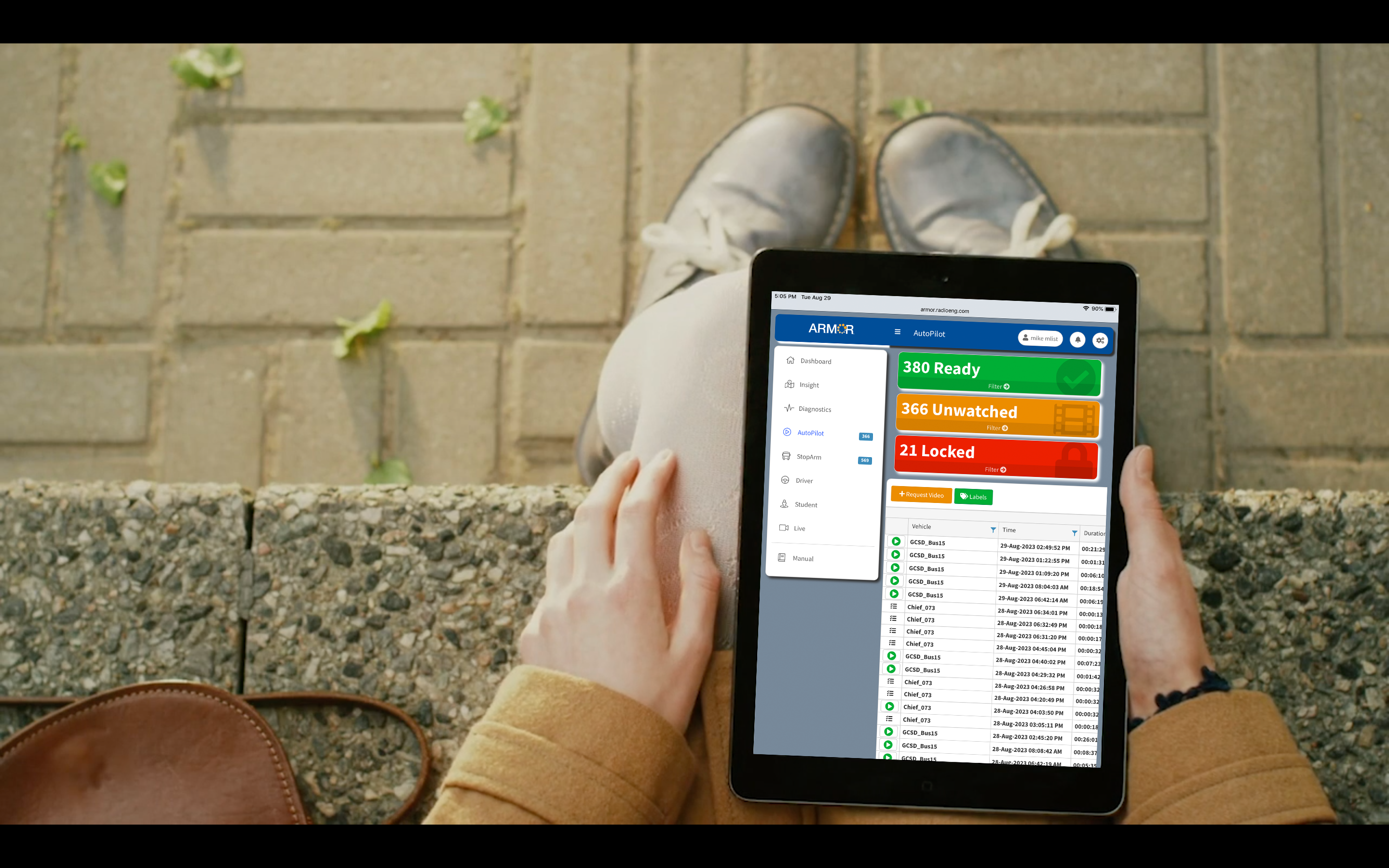
Rather than expanding storage to retain all footage, reduce storage demands by changing how you manage video. REI’s ARMOR™ Software Suite is designed with that goal in mind.
The suite automatically downloads flagged video clips from your fleet DVRs and stores them indefinitely in the optional ARMOR Cloud. You save only the clips that matter versus an entire day’s footage. This significantly reduces storage space.
By storing less unnecessary data, you can use smaller, lower cost hard drives without compromising your ability to capture and retain critical events. Review your state’s requirements for video retention. ARMOR and the cloud could be a cost-effective option.
2. Rethink SSDs
As solid state drive prices rise, REI suggests operations revisit their long-held assumptions that SSDs are more reliable than spinning disk drives (HDDs). It’s true that SSDs lack moving parts, but in mobile environments, reliability isn’t determined by that factor alone.
In fleet applications, REI believes dust, moisture and vibration are the leading causes of HDD failure. If these factors aren’t properly addressed, any storage medium is at risk. That’s where design and engineering become critical.
To counter these elements, REI designs fully sealed hard‑drive enclosures and fanless DVRs that minimize dust and moisture exposure. We also engineer these spinning-disk enclosures to minimize vibration on the drives. In these controlled environments, spinning disk drives can deliver reliability comparable to SSDs, allowing you to attain similar performance at a lower cost.
Planning Ahead for Higher Solid State Drive Prices
Demand for NAND flash memory isn’t expected to slow down anytime soon, according to the HP Workforce Experience. As AI infrastructure continues to expand, competition for storage resources will remain intense.
For transportation operations, that means adapting, not simply paying higher SSD prices. A smarter path forward is to improve your storage efficiency by implementing cloud-based solutions and the right hardware versus simply adding capacity. You can then optimize performance and maintain greater control over costs.
Let us help you choose the right solutions to mitigate storage issues within your operation. Talk to your REI sales rep or contact us to start the conversation. Together, we can keep your operation moving forward.
Jan 27, 2025 | Transit
In 2023, public transportation systems in the U.S. saw nearly 37 billion miles of travel, highlighting the massive number of passengers commuting daily. With expectations that these numbers will only continue to rise, transit operators face growing opportunities to engage and impress riders. One of the most effective ways to enhance the rider’s experience and provide valuable information is by installing REI bus video monitors on transit buses.
These high-definition monitors can present route information and transit infotainment with breathtaking brilliance. But they offer much more than pretty pictures. They also provide dynamic ways to communicate, engage, and help ensure the safety and security of your passengers. Let’s review four reasons why you should consider adding these bus video monitors to your fleet. In the process, you’ll learn how they can help transform the way passengers think about your service.

REI’s 37” Ultrawide model allows you to double the HD infotainment shown to passengers.
1. Enhance the Passenger Experience with Engaging Content on Bus Video Monitors
While riding transit buses, passengers often have time to spare. Commutes, delays, and waiting for stops can sometimes make the experience seem drawn-out. However, by installing REI bus video monitors on your fleet, you can turn that time into a more enjoyable and informative experience.
High-definition transit monitors can display a variety of engaging content, such as route schedules, weather updates, news, entertainment, and even advertising. With their bright, sharp images, the displays instantly grab attention and keep riders engaged, making their commutes more exciting. It’s not just about making the trip more pleasant either. Having these mobile displays on your buses helps create a modern, professional image for your service, improving riders’ perception and trust in your operation.
While many sizes and styles are available in today’s marketplace, one truly impresses: REI’s Ultrawide 37-inch LCD Monitor. Its expansive width takes transit displays to the next level, enabling operators to showcase twice as much content for passengers. Additionally, the monitor’s short 12-inch height provides ample headroom while still offering plenty of space to show detailed route maps and other vital information.
Even more, by offering passengers real-time information about upcoming stops, arrival times, and delays, you help them manage their time more effectively. Bus video monitors can also be used to promote events, local businesses, and community news, creating a sense of connection between riders and their surroundings.
2. Promote Safety and Security Through Timely Updates on Bus Video Monitors
Safety remains a top priority for operators and passengers alike. Bus video monitors can play a crucial role in helping passengers feel secure during their travels. They’re effective tools for communicating critical information, especially in emergency situations.
For example, transit monitors can display important safety messages, emergency alerts, and instructions in real time. Whether it’s a weather-related delay, a change in route due to traffic, or emergency procedures in case of an incident, passengers will receive these updates clearly. This level of communication reassures passengers that your operation is prepared for unexpected situations.
In fact, some operators have found that using transit displays for safety communication reduces confusion and helps passengers feel more confident and at ease during their commutes. In the case of amber alerts or emergency evacuation procedures, having this information displayed clearly and prominently on the bus helps ensure it reaches all passengers.
3. Generate Additional Revenue with Advertisements on Bus Video Monitors
While passenger fares are an important source of revenue for transit operators, REI bus video monitors offer opportunities to generate additional income. These monitors are excellent platforms for advertising, which can be tailored to your routes and locations.
With the ability to display ads or upcoming events, your buses become mobile billboards. But the real power comes when you integrate GPS technology. Ads on bus display monitors can be triggered by REI Digital Media Players based on the bus’s location, allowing you to show ads that are most relevant to passengers in a particular area. For example, as your bus passes a local restaurant, an advertisement for that restaurant can be displayed on the screen, encouraging riders to check it out.
Here again, REI’s Ultrawide 37-inch LCD Monitor offers a unique advantage – the ability to show two separate ads or messages simultaneously. Its format enables you to double the information and engagement potential while providing enhanced revenue opportunities.
4. Offer Real-Time Route Information on Bus Video Monitors
Passengers find it frustrating when they are unsure of their locations or what lies ahead on their trips. Installing bus video monitors can solve this issue by displaying real-time updates on the bus’s location and estimated arrival times at upcoming stops.
These transit monitors can also display alternate routes or detours when necessary, helping passengers plan their trips more effectively. This added layer of information is especially valuable during peak hours, weather disruptions or traffic delays. Passengers will appreciate knowing when they can expect to arrive at their destinations and what to do if there’s a change in their routes.
Conclusion
Bus video monitors can be game changers for transit operations looking to improve their passenger experience and increase revenue. By installing these versatile, high-definition screens for mobile displays on your buses, you not only create a more informative and secure environment for passengers, but you also set your service apart from others.
Contact REI today to explore the many sizes and styles available, including trim kits and custom brackets, to ensure secure fits for your bus display monitors. Investing in professional-grade monitors will give your buses a sleek, contemporary appearance. What’s more, you’ll have the ability to display invaluable information for passengers, giving them more reasons to choose your operation instead of other transportation providers.
Oct 24, 2023 | Motorcoach, School Bus, Transit
Today’s cloud-based fleet management software captures volumes of information. It also demands server management and data storage capabilities. However, bus operations may lack the know-how and IT infrastructure. The answer: a cloud service.
Reliance on the cloud for data storage continues to grow. Why? Because companies want to capitalize on its many benefits. In fact, the cloud offers so many benefits it is used to store most corporate data.
Among the corporate data are fleet analytics and bus camera system video from REI’s ARMOR™ Software Suite. Many ARMOR customers (64%) use REI’s optional ARMOR Cloud, a cloud service, for data storage and server management. Why should you choose it for your ARMOR cloud-based fleet management software? Read the ten reasons outlined below.
1. ARMOR Cloud saves and backs up data and video.
ARMOR Software Suite generates vast amounts of data, plus video from REI cameras. It could be lost or damaged during electrical storms and power outages. With this in mind, ARMOR Cloud backs up your server.
2. 24/7/365 access to fleet management surveillance video and data.
ARMOR Cloud permits nonstop access to downloaded data and video from your ARMOR fleet management software. Even more, internet-connected devices enable access from anywhere.
Taylor Moore, ARMOR product and engagement manager, explains, “ARMOR engages several modules and data collected by sensors, hardware, and automation. This prompts notifications, reports, and video. Accessing this information in a timely manner speeds up everything. What’s more, administration can become more efficient and effective in safety, fleet health, and operations management. Overall, the service benefits every member of a district, including students, in some way.”
Access your ARMOR server 24/7.
3. Transition to the cloud is easy.
ARMOR Cloud is turnkey. In other words, it transfers data and video from your REI bus DVR to the cloud for you.
Cloud computing requires a short learning curve. In fact, ARMOR Cloud users only need a few steps to log in to their ARMOR servers.
5. Convenience and security.
REI’s IT staff manages your ARMOR Software Suite server. This includes scalability, software updates, and security. In short, ARMOR Cloud eliminates or reduces server duties for your IT resources.
REI’s ARMOR Cloud service stores and manages fleet statistics and videos from your bus camera systems for you. Therefore, the service reduces IT needs. For this reason, you save some staff and hardware costs.
Simplify fleet video management with ARMOR Cloud.
Your cloud-based fleet management software collects a lot of data and video. ARMOR Cloud service provides the server and manages the information for you. Basically, it frees up time for you and your IT staff. As a result, you have more time to do other key tasks.
8. Greater peace of mind.
Rest easier knowing pros take care of your server. Consequently, they lighten your workload and help ensure peak server performance. Therefore, you stress less.
REI manages your server’s size and upgrades. Hence, fewer responsibilities for you and your staff.
ARMOR Cloud service tracks server performance and makes sure your server works properly. Reliable performance means increased uptime and less downtime. Overall, your operation becomes more efficient.
As has been noted, ARMOR Cloud eases fleet video management in many ways. To learn more about this cloud service, request information or a demo. Moreover, see how it could enhance your cloud-based fleet management software.
To summarize, Moore adds, “If there’s one word that sums up ARMOR Cloud, it’s accessibility. The service provides remote access to your fleet data and video, 24/7/365. It’s a real game-changer for time-strapped bus operations.”
Billions of users now rely on the cloud. On the whole, it makes their work easier. Cloud computing with ARMOR Cloud service can do the same for you, too.
Jan 27, 2021 | Agriculture & Construction, Commercial Bus, Motorcoach, Transit
Today’s complex, intelligent technology is enhancing and advancing transportation like never before. Besides redefining existing infotainment systems for passengers, our motor coach and tour bus cameras, driver assistance, and PA system technology are introducing new concepts in safety, surveillance, troubleshooting and reporting to assist drivers and owner/operators—all from a single, central console.
What are these recent advancements? Are they easily integrated into your motorcoach or transit bus operations? What are the benefits? REI has the answers.
An Omaha, Nebraska-based engineering and manufacturing company, REI specializes in high-tech electronics for the global transportation industry, including motor coach and tour bus cameras, driver assistance, and PA system technology. Dave Chavez, senior electronics systems engineer at REI, notes, “Technology is advancing rapidly, and vehicles are becoming smarter, more connected, safer and easier to use. We collaborate with OEMs and partners around the world as we research and develop our motor coach and tour bus cameras, driver assistance, and PA system applications. The advancements and trends in intelligent technology that we’re creating now are taking us one step closer to artificial intelligence.”
Among REI’s complex solutions elevating travel experiences for today’s drivers, passengers and owner/operators: a touch-screen multimedia player and a 360-degree camera observation system with radar object detection. Each of our motor coach and tour bus cameras, driver assistance systems, PA systems, and more of our equipment is engineered explicitly to communicate with vehicles’ existing onboard computers to facilitate easy integration, operation and performance.
ECVR-6700T Multimedia Radio
The nerve center of REI integration, the new ECVR-6700T Multimedia Radio is a centralized, touch screen-controlled, human-to-machine interface (HMI) allowing complete, simple and seamless operation of all subsystems for drivers and passengers. In addition to driver features like dual-zone A/V controls, dual-zone Bluetooth pairing, a large 6.2-inch display and an HDMI switch option for 1080p playback, the ECVR-6700T offers HD views and notifications provided by optional, integrated advanced driver-assistance systems (ADAS). Back-up views, 360-degree views, audio/visual alerts and radar are just a few examples.
Scott Hays, president of REI, adds, “Drivers contend with a multitude of uncontrollable variables at any given moment. Whether it’s watching for other motorists, vehicle health issues or keeping passengers happy, our ECVR-6700T monitors, detects, records, reports and displays crucial details for drivers, all from one convenient system. Its integrated capabilities are true advancements in transportation surveillance and infotainment.”
When integrated with onboard high-definition monitors and REI’s MP-5000HD Digital Media Player with GPS and passenger safety messaging, this unit delivers vivid, GPS-automated events and announcements.
3D 360˚ HD Surround View Camera System with Radar Object Detection
Among the ECVR-6700T’s features is its ability to display driver-assisted views, including those captured by REI’s 3D 360˚ HD Surround View Camera System. Integrating camera observation with radar object detection and a J1939 CAN-bus interface for easier installation, the system provides advanced, driver-assisted views for parking, turns and lane changes. This radar-based system makes intuitive, adaptive guidelines possible, allowing drivers to view and compensate for tail-swing in difficult situations.
“The in-dash 6700T puts owner/operators, drivers and passengers at the forefront of complex, integrated technology,” states Hays. “It may be retrofitted in the field or installed by manufacturers. More importantly, it elevates passenger and driver safety and infotainment to new levels.”